
5 Interior Design Mirror Mistakes and How to Avoid Them
A well-chosen mirror can transform an interior, enhancing natural light, creating a sense of space and introducing a striking architectural detail. Yet choosing the wrong size, position or installation can have the opposite effect. Here are five common interior design mirror mistakes, and how bespoke mirror design can provide a better solution.
1. Choosing a mirror that is too small
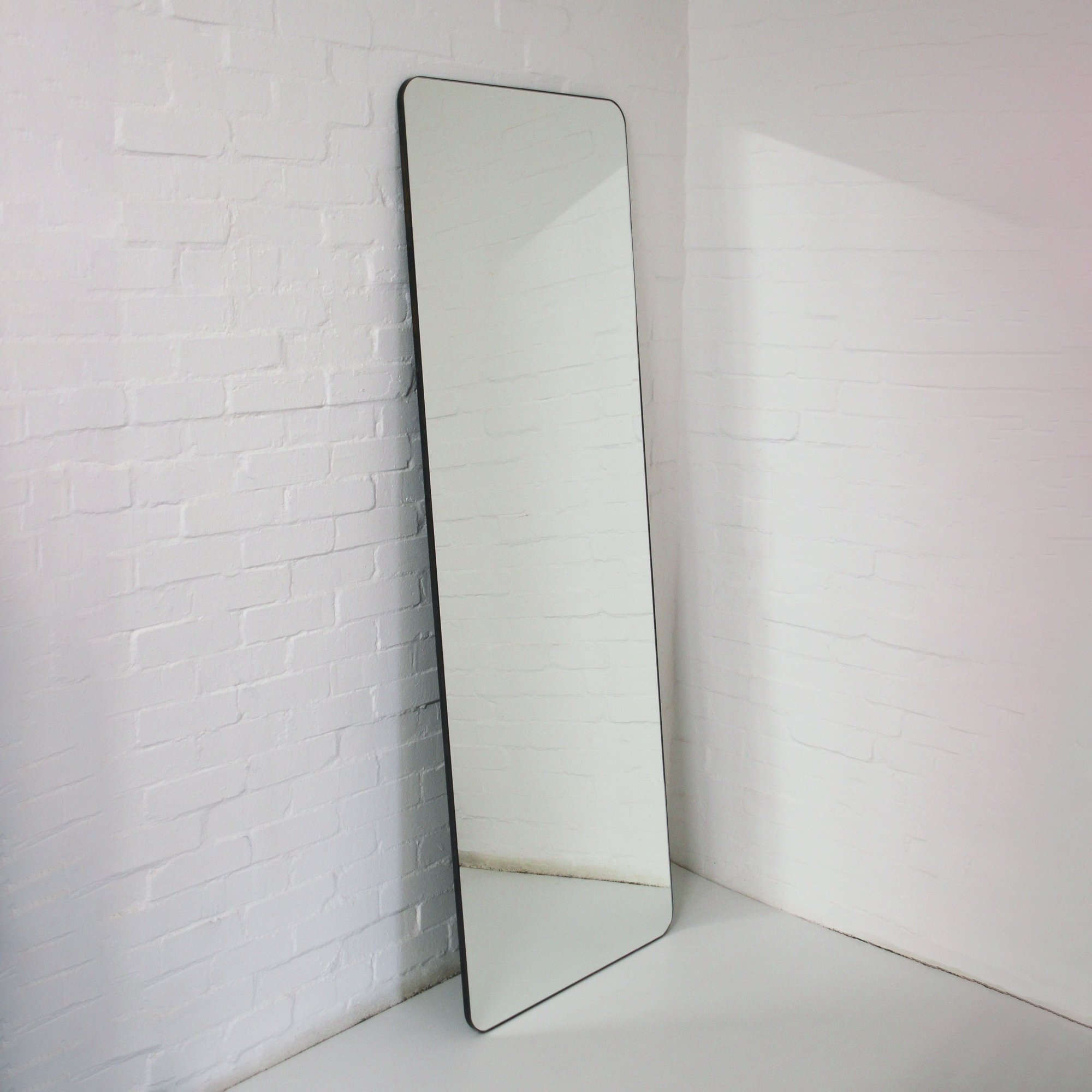
One of the most common mistakes is underestimating the impact a mirror can have within a room. A small mirror can become visually lost against a large wall, particularly in generous entrance halls, living spaces and luxury bathrooms.
Instead, consider a made-to-measure mirror designed specifically for the proportions of the room. A large bespoke mirror can become an architectural focal point, while an oversized or floor-to-ceiling design can emphasise the height and scale of an interior.

2. Assuming a mirror must hang on the wall
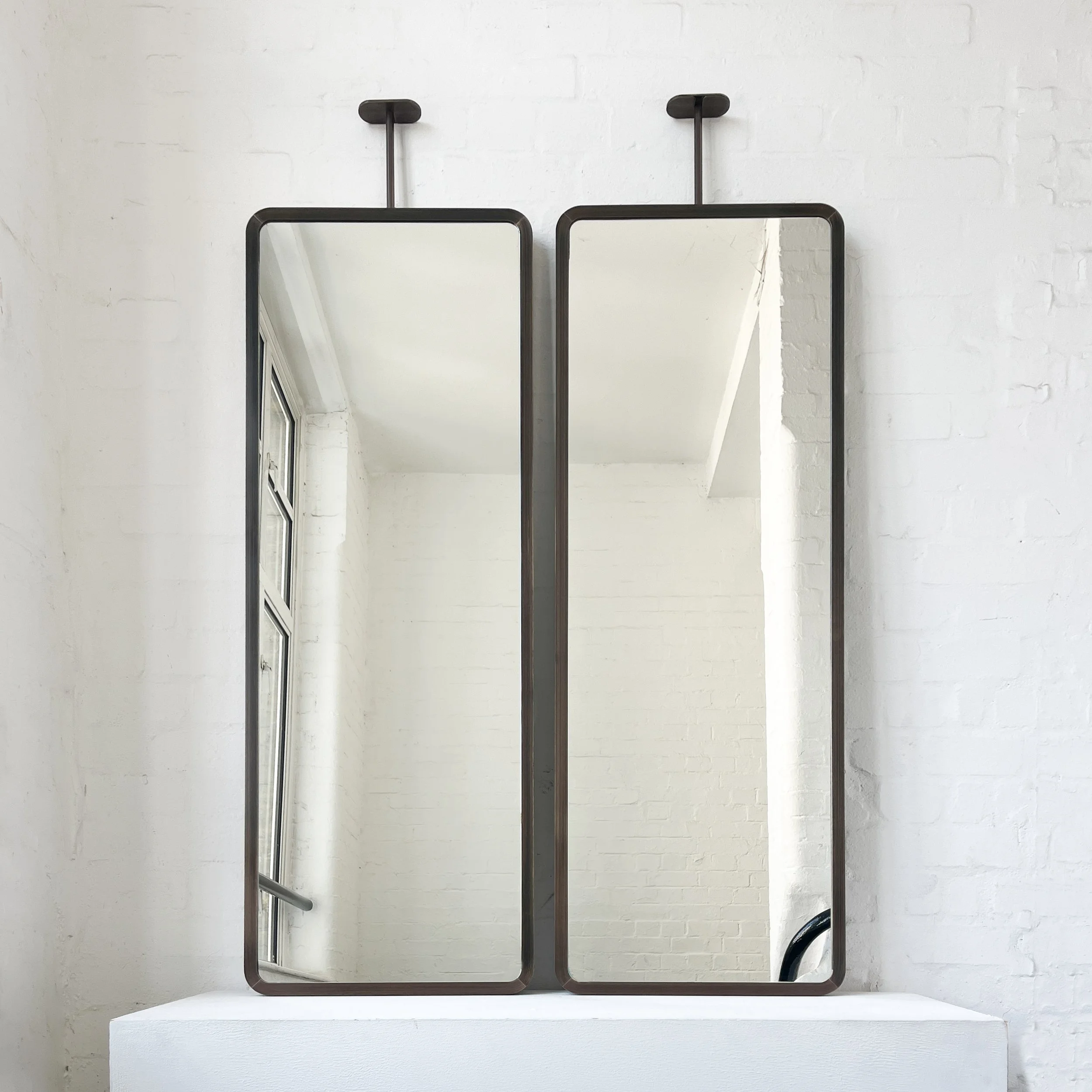
Not every mirror needs to be wall mounted. In fact, some of the most interesting interiors use the ceiling as an alternative fixing point.
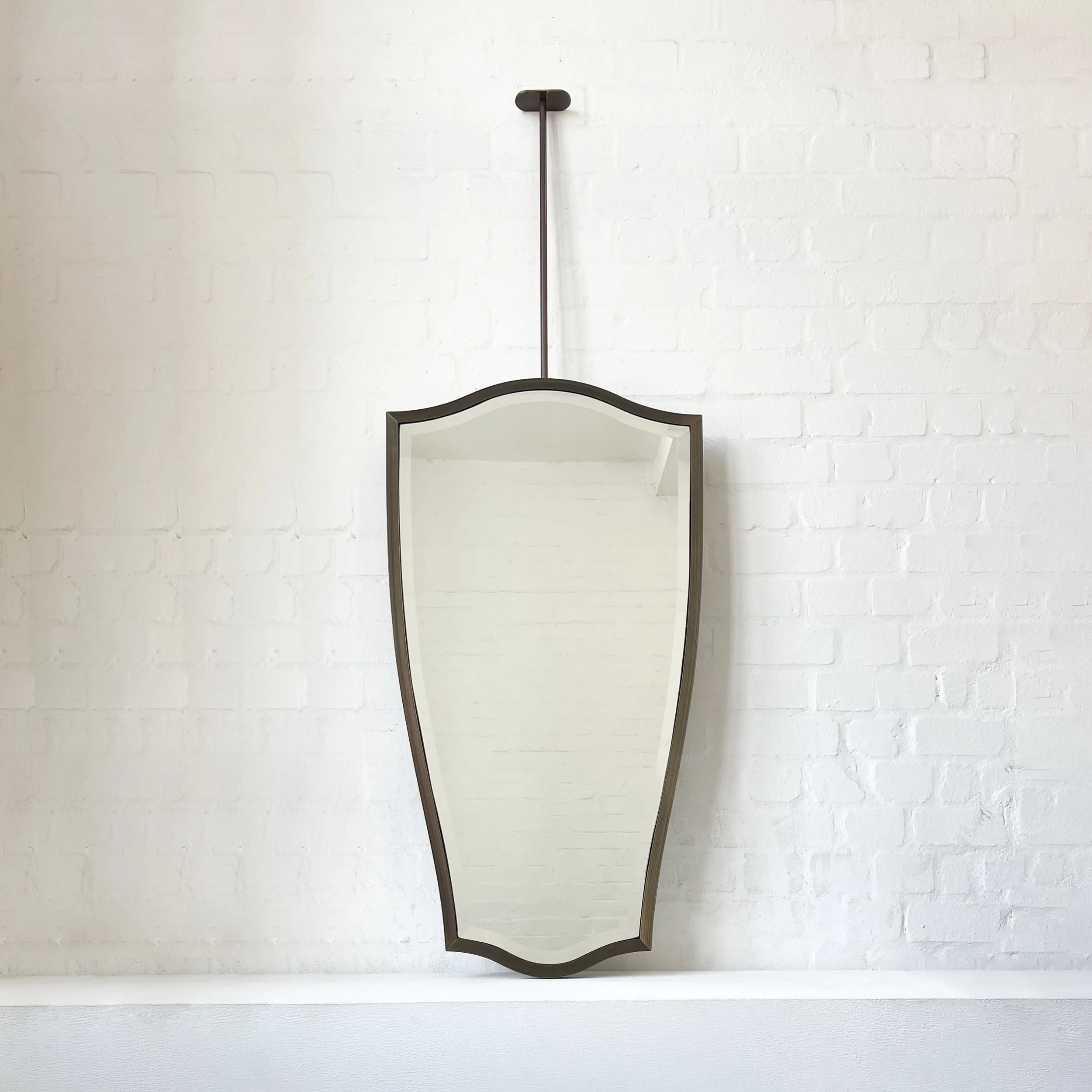
Ceiling suspended mirrors are particularly effective where walls cannot be drilled, in front of windows, above islands or where a mirror needs to sit away from the wall. They can also be double-sided, making them ideal for open-plan spaces.
Alguacil & Perkoff’s suspended mirrors can be customised in their shape, drop, frame finish and other details, allowing the installation to become part of the design itself.
To browse the full range of different finishes and options we offer across our range of ceiling-hung designs, click here.
3. Ignoring awkward architectural details
Windows, recesses, niches and unusual wall configurations can make conventional mirror installation difficult. Rather than compromising on the design, consider a mirror engineered around the architecture.
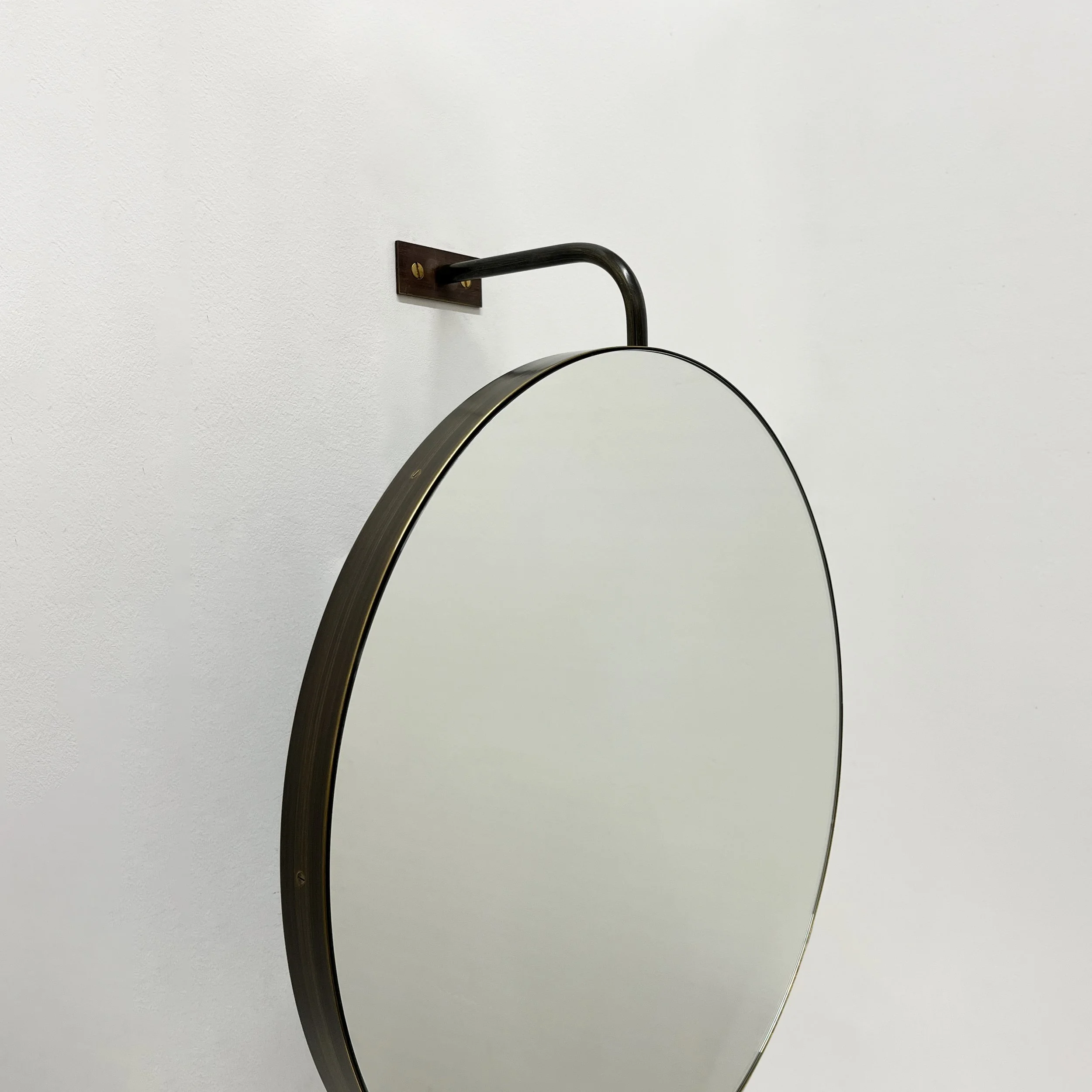
A wall-attached mirror, such as the Vorso™, can be particularly useful where traditional wall hanging isn't practical. Its projecting arms can accommodate features such as windows and recesses, while its swivel function allows the angle of reflection to be adjusted.

4. Treating the mirror as an afterthought
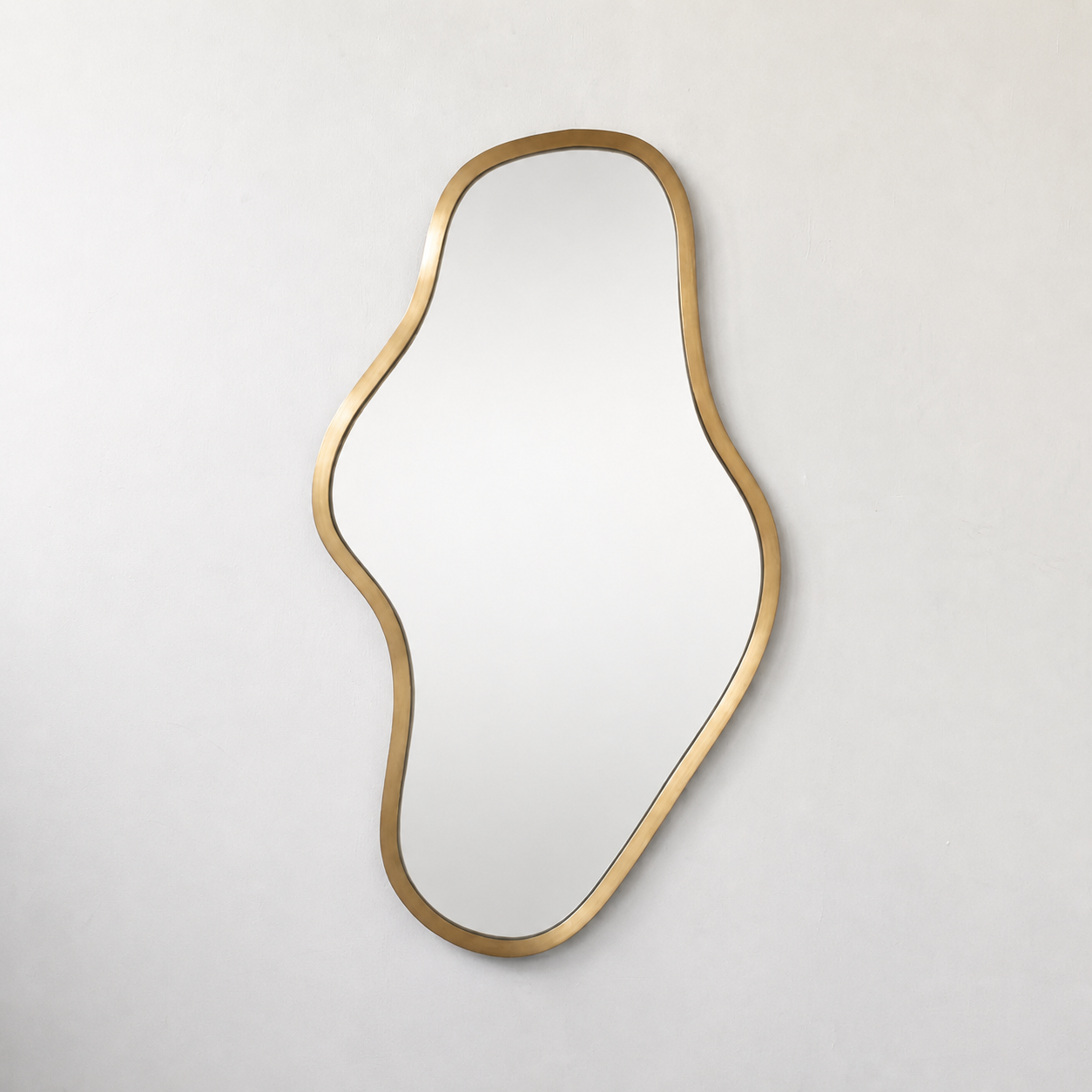
A mirror shouldn't simply fill an empty wall. Its shape, frame, finish, tint and lighting can all contribute to the overall interior scheme. Plan your mirror from the start to ensure you decorative piece enhances your interior, instead of merely complying with it. Design from the offset.
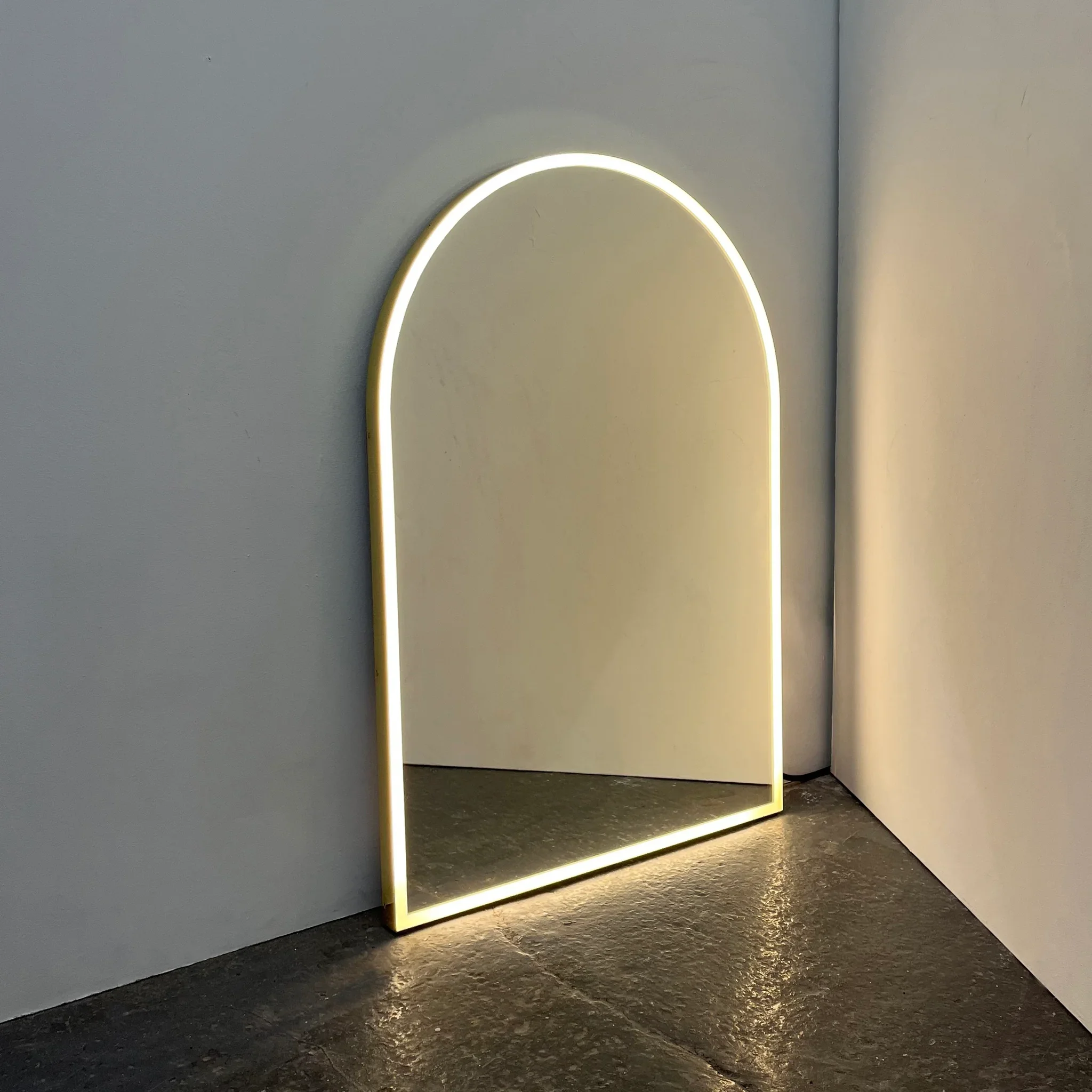
From sculptural freeform mirrors to refined round, arched and rectangular designs, bespoke options allow the mirror to complement (or deliberately contrast with) the surrounding architecture.
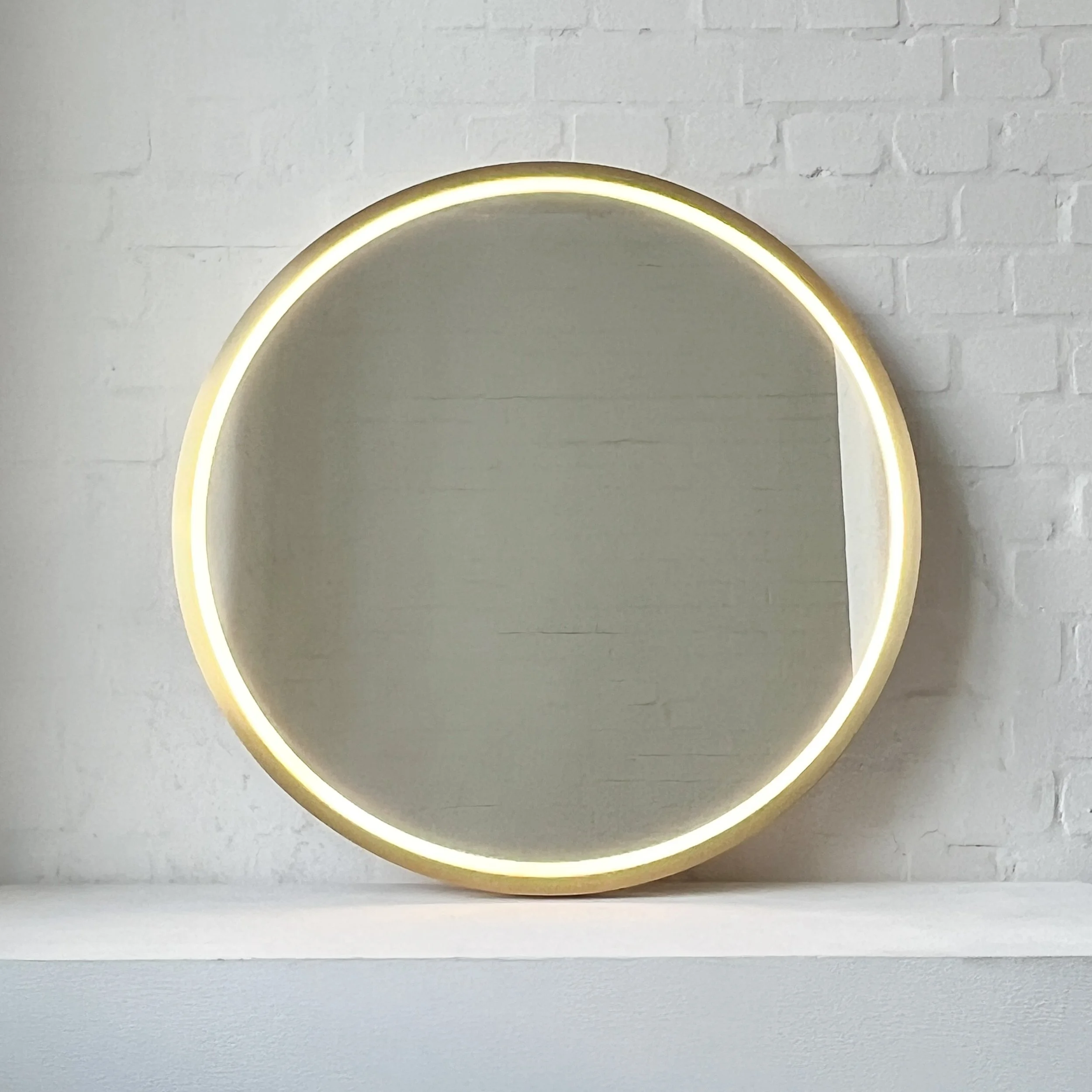
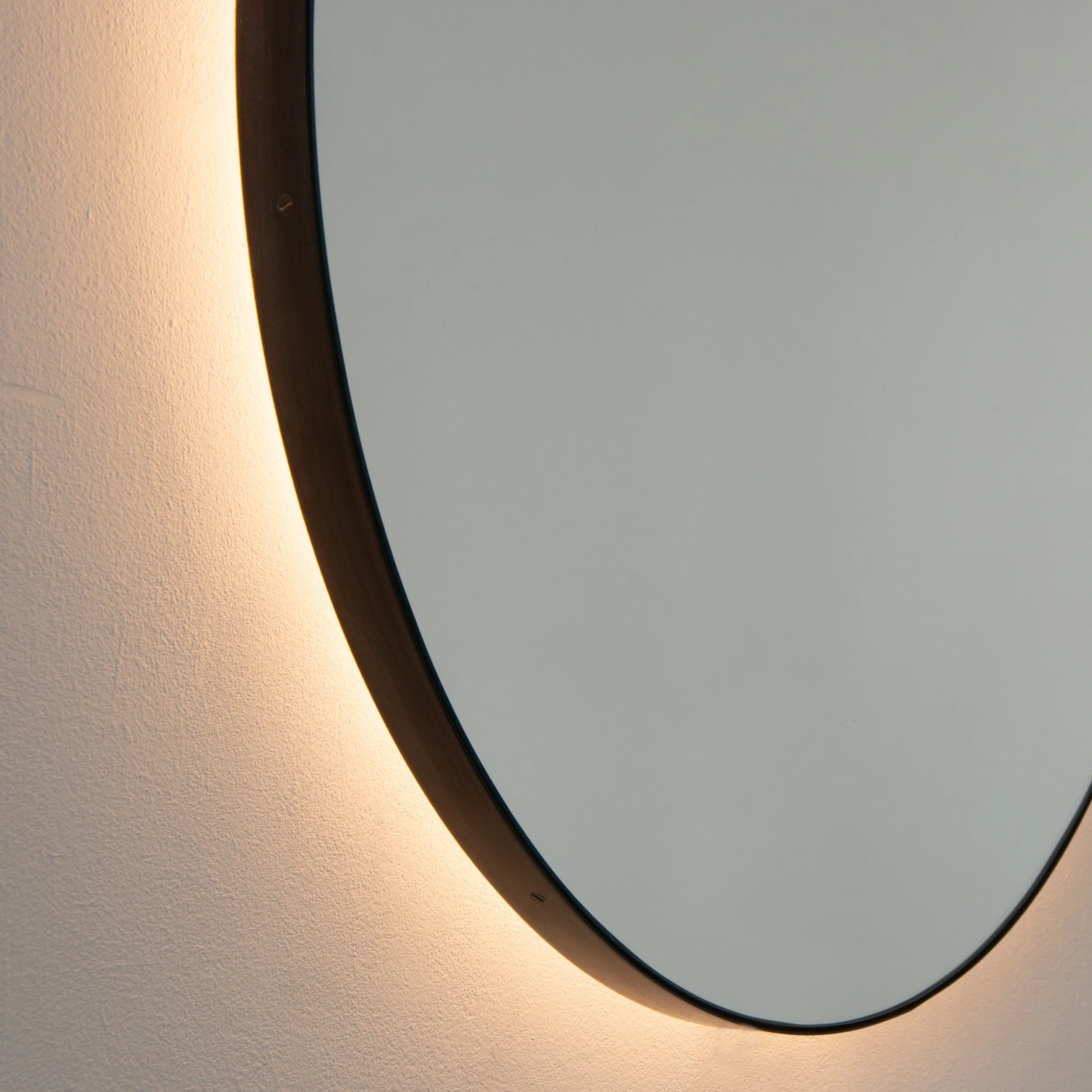
Frame finishes can range from brass and copper to stainlesssteel and bespoke powder-coated colours, with options including tinted glass, bevels and illumination.
5. Forgetting that function matters
The most successful designer mirrors combine aesthetics with practical performance. In bathrooms, for example, a beautiful mirror can become frustrating if it constantly mists up or provides inadequate lighting.
Consider practical details such as demister pads, front or back illumination and adjustable positioning at the design stage, rather than adding them later. We also offer full customisation on illumination options, including colour, warmth and overall compatibility with your interior’s light control system.
Bespoke Designer Mirrors in London
The best mirror isn't necessarily the one that fits the available wall. It is the one designed for the proportions and purpose of the space.
At Alguacil & Perkoff, our bespoke mirrors are designed and handcrafted in London, with custom shapes, dimensions, installation methods, finishes and functional features available to suit individual interiors. From ceiling-hung and floor-to-ceiling mirrors to wall-attached and countertop designs, we create mirrors where design and engineering work together.
To start designing your own mirrors, click here or see the information below. All our cut-to-order mirrors are shipped safely worldwide.